
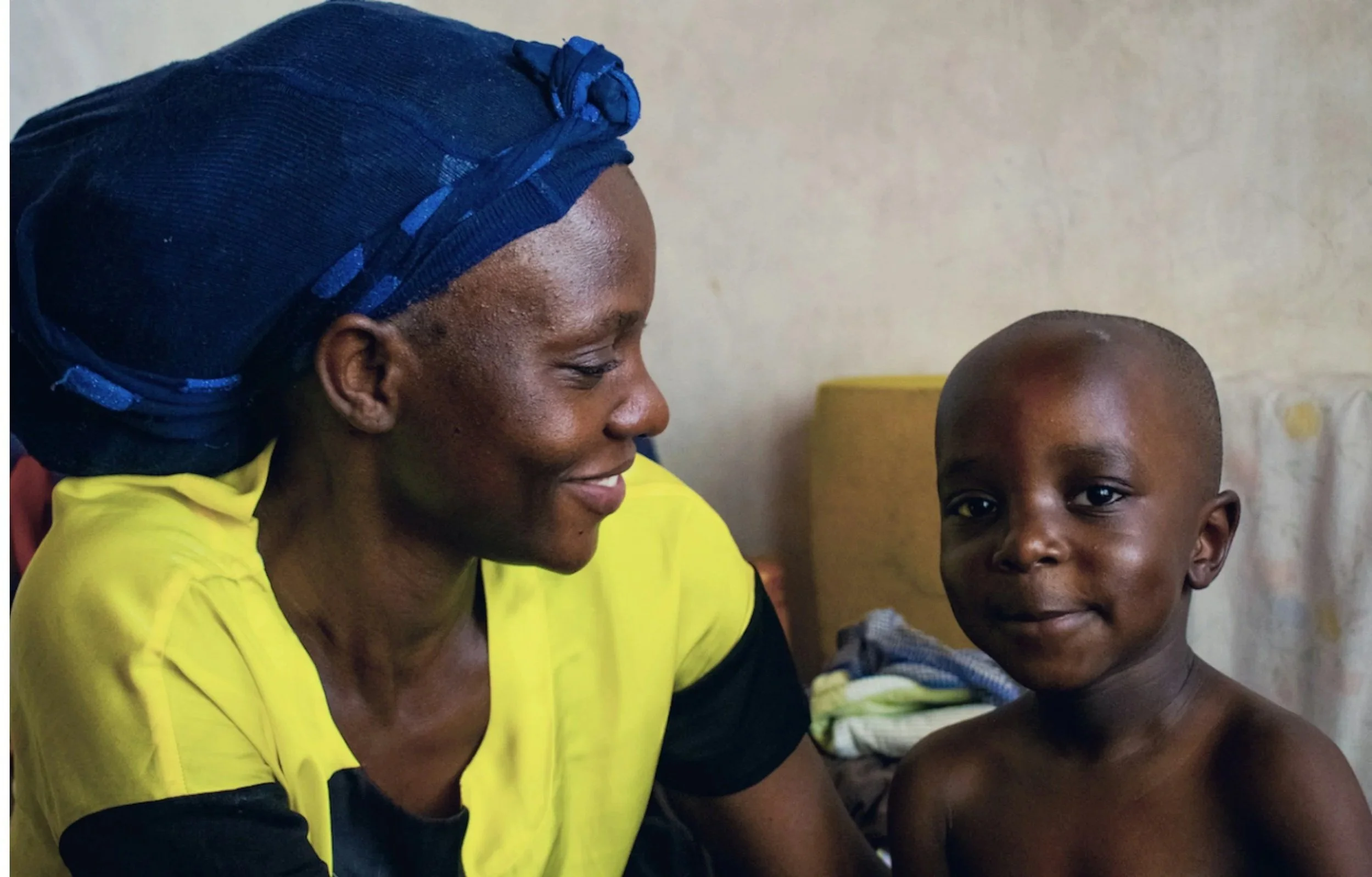
We find children with hidden heart disease before it is too late.
Rheumatic Heart Disease can hide in children who look healthy — we find it early, connect them to care, and help save lives
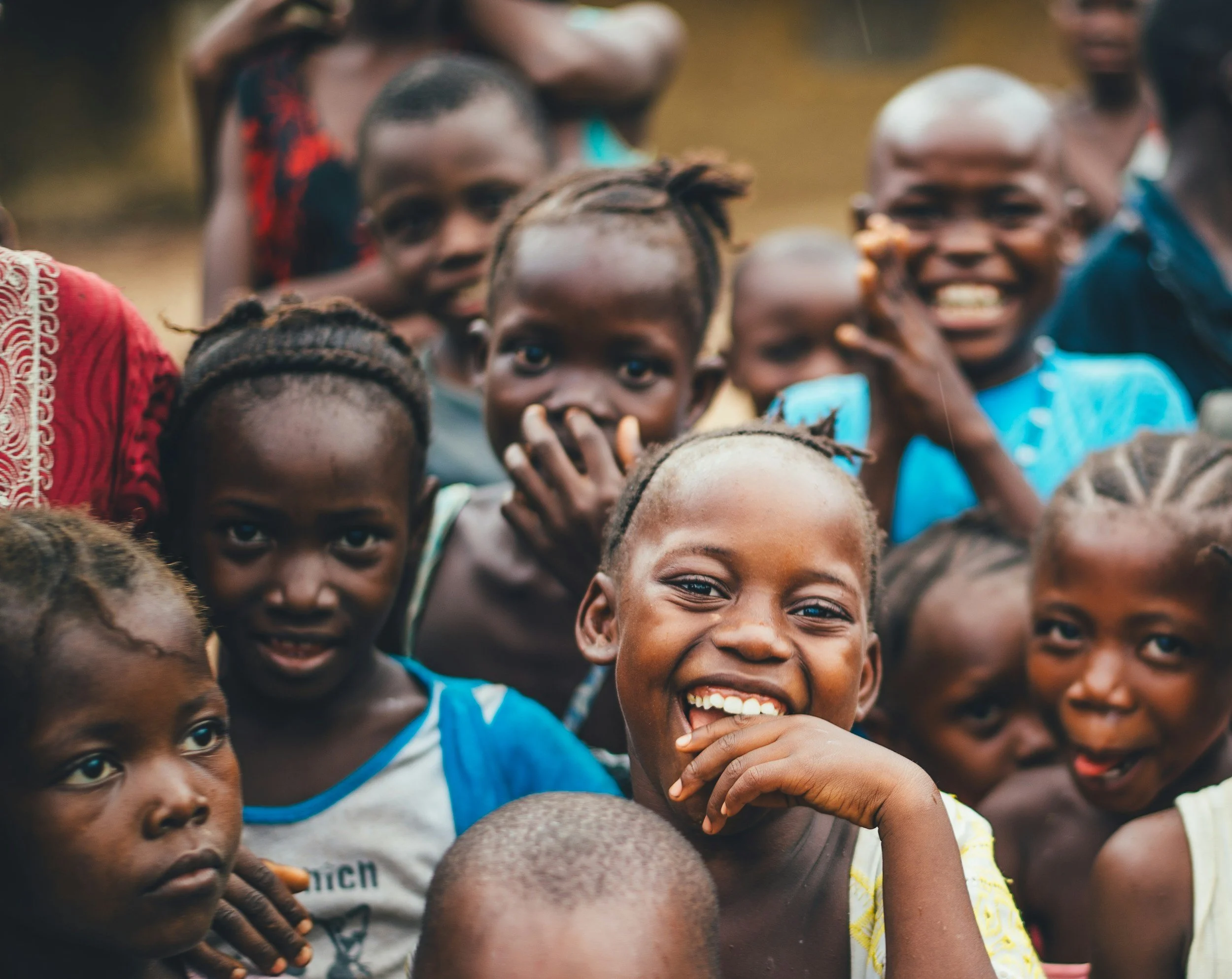
Saving children’s lives by finding hidden heart disease early.
A child can look perfectly healthy while permanent heart damage is already underway.
In Zambia, children are still being found too late — after preventable damage has already begun. Common Wellbeing brings heart screening into schools, connects children to specialist diagnosis, and supports the long-term treatment that protects their hearts.
We find the children no one knows are sick — before RHD changes their future.
A child can look healthy while permanent heart damage is already underway.
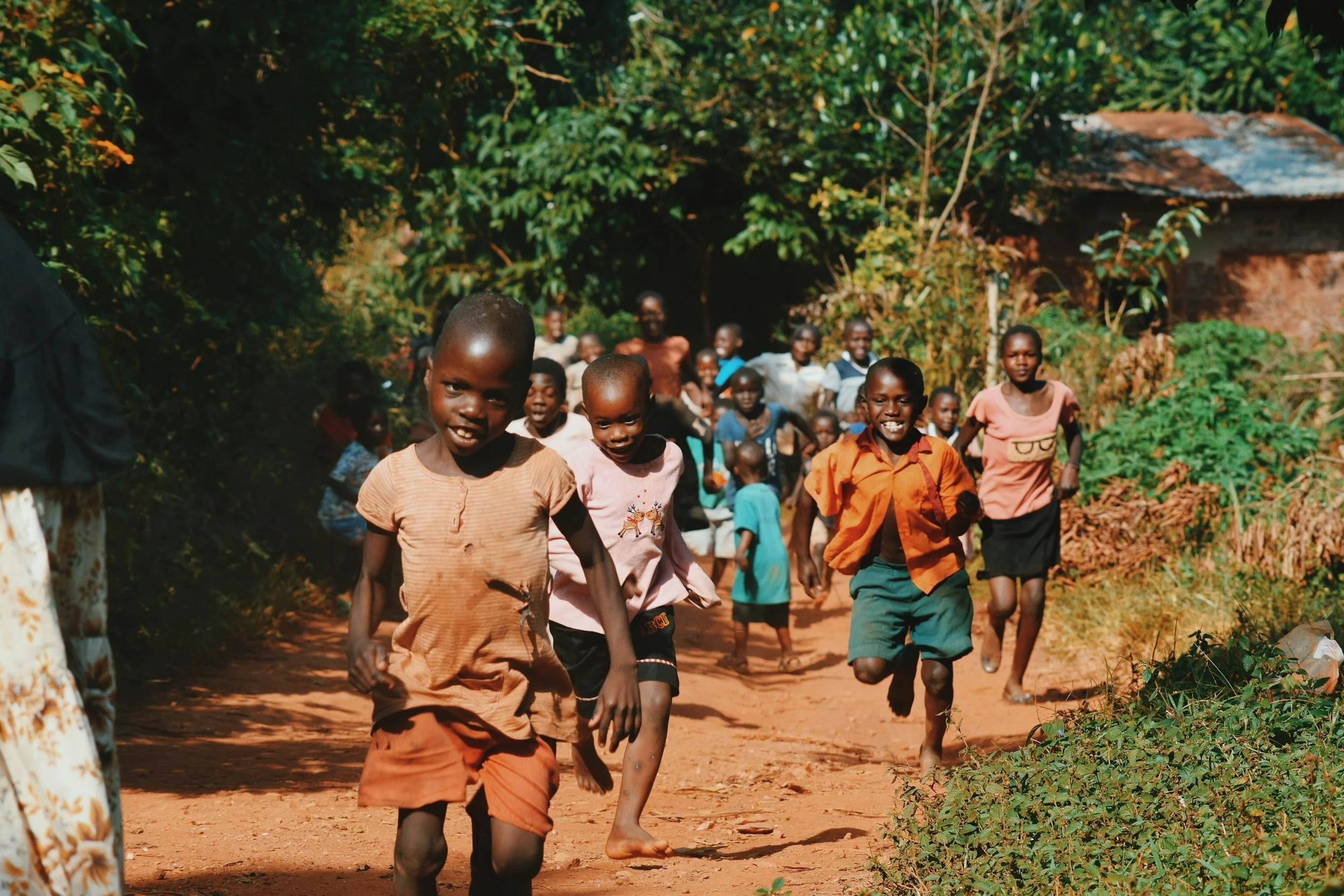
A child should not have to look sick to be found.
Rheumatic Heart Disease often begins with an untreated throat infection.
If missed, it can scar a child’s heart valves for life.
The child may still be in class.
Still playing with friends.
Still saying they feel fine.
By the time symptoms appear, the damage may already be serious.
A sore throat should not become heart disease.
The problem is not that RHD is impossible to stop.
It is that too many children are missed before anyone knows to act.
RHD is preventable.
RHD is treatable.
RHD can be found early.
But only if screening, diagnosis, treatment, and follow-up reach children in time.
That is the gap Common Wellbeing is working to close.
CHILDREN SHOULD NOT BE FOUND ONLY AFTER IT IS TOO LATE / / /
CHILDREN SHOULD NOT BE FOUND ONLY AFTER IT IS TOO LATE / / /
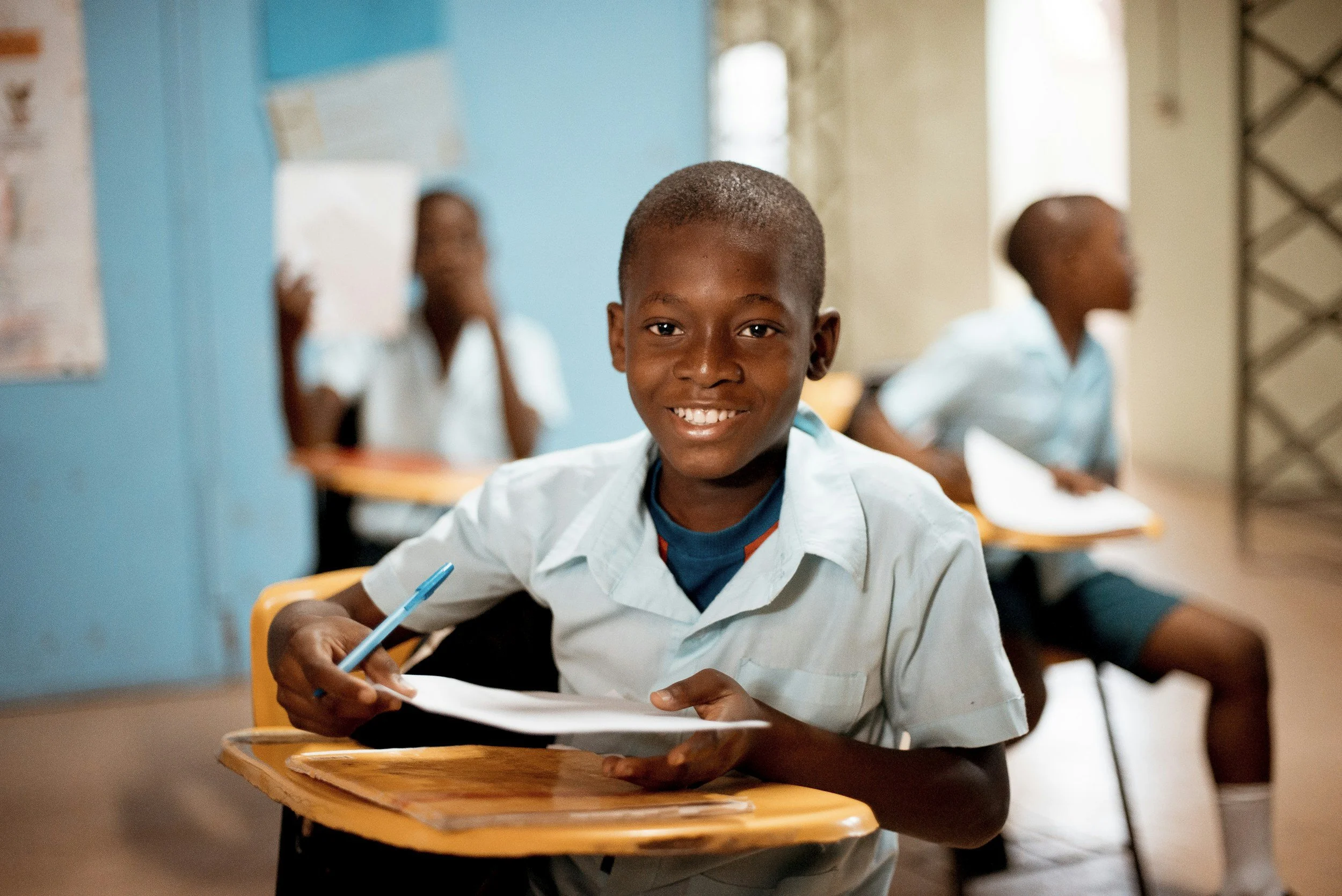
We bring heart screening to where children already are.
Children should not have to reach a hospital before the health system reaches them.
Common Wellbeing’s RHD pathway starts in schools, but it does not stop at screening. It connects children, parents, teachers, clinics, specialists, and community health workers into one continuous system of care.
The goal is not just to find children. The goal is to protect them.
The model
01
Engage the school
We begin with school leadership, teachers, local health teams, and education authorities to prepare the site and make sure the screening process is understood and trusted.
04
Review concerning findings
Any child with possible RHD is flagged for clinical review, so screening results are not treated casually or left unresolved.
05
Confirm diagnosis
Children with concerning results are connected to cardiac specialists for confirmatory assessment and diagnosis.
06
Link children to treatment
Confirmed cases are referred into clinic-based care, including monthly antibiotic prophylaxis to help prevent further heart damage.
07
Support the family
Families receive guidance on what RHD is, why treatment must continue, and how to keep the child connected to care over time.
02
Inform parents and guardians
Parents receive clear information about Rheumatic Heart Disease, why screening matters, what the process involves, and what happens if a child needs follow-up.
08
Track follow-up
Clinic teams and community health workers help monitor appointments, missed injections, referrals, and children at risk of falling out of care.
03
Screen children at school
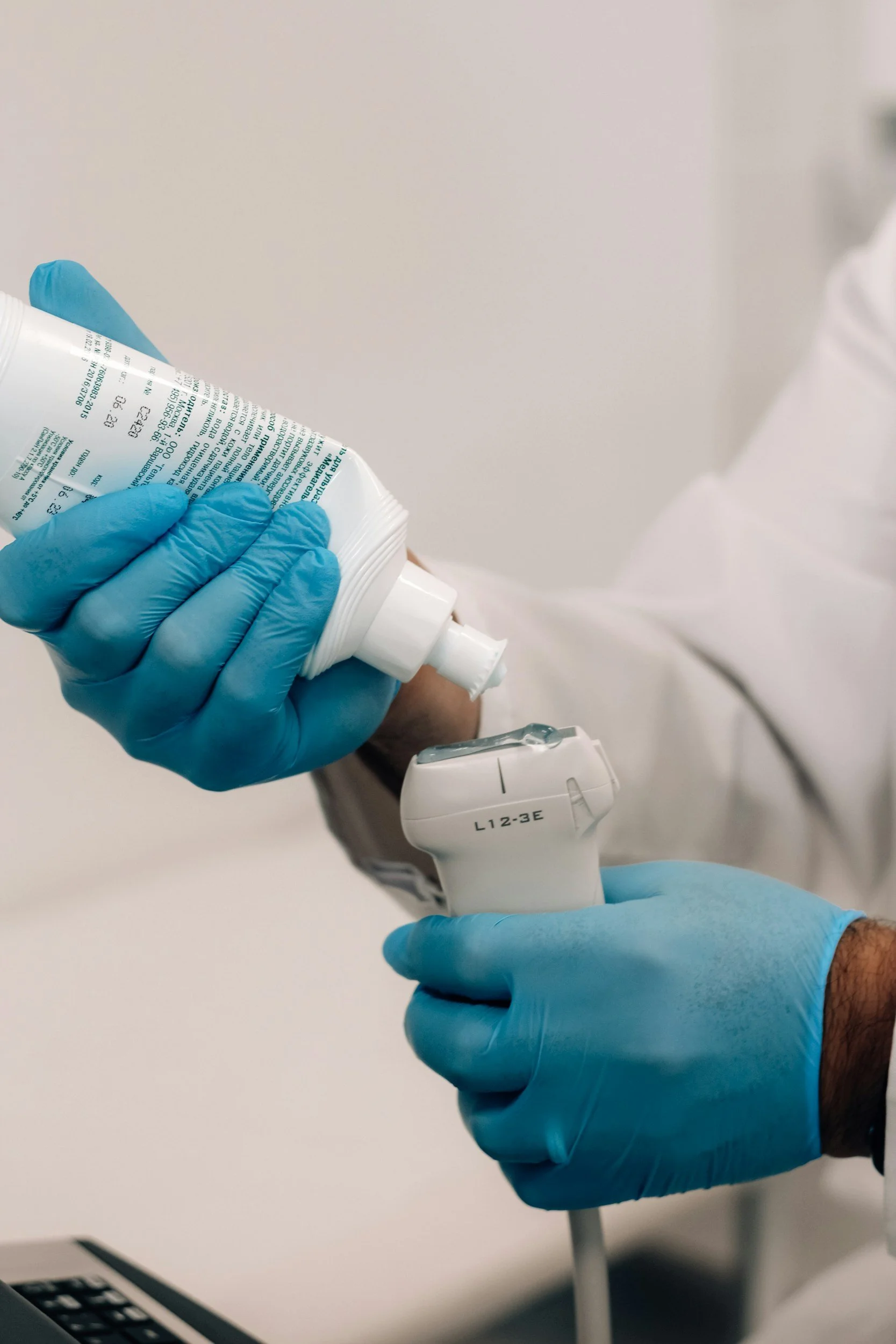
Children are screened on-site using portable cardiac ultrasound, helping identify possible signs of heart valve damage before symptoms appear.
09
Learn from the data
Screening, referral, diagnosis, treatment, and follow-up data are used to improve the pathway and support future RHD planning.
Community → Screening → Specialist Review → Clinic Treatment → Family Support → Long-Term Follow-up
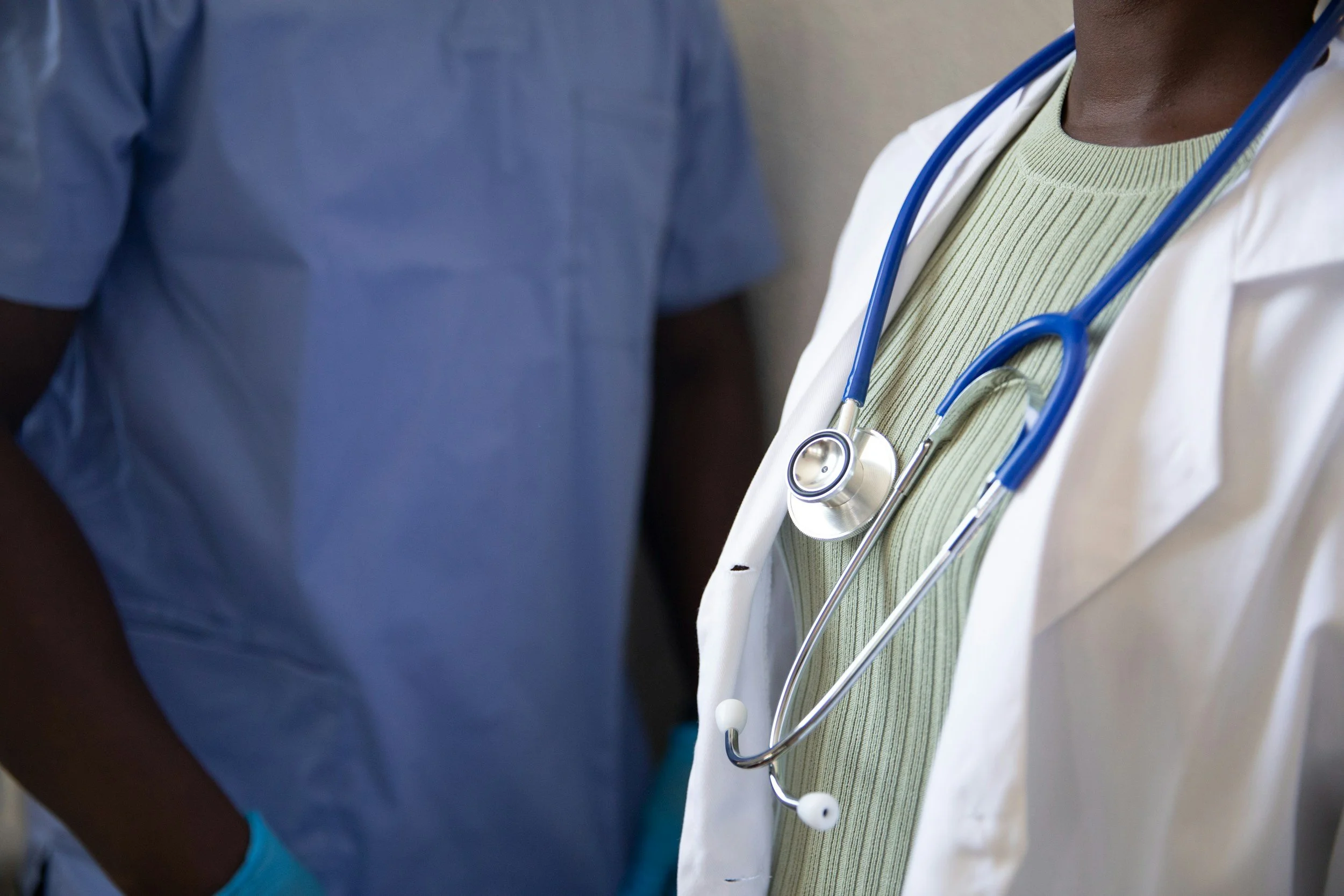
We do not run screening camps. We build protection pathways.
A screening day can find a child.
But a pathway protects one.
A child who screens positive needs confirmation.
A child with confirmed RHD needs treatment.
A child on treatment needs monthly follow-up.
A family needs education and trust.
A clinic needs a workable process.
A health system needs data it can use.
Common Wellbeing connects the pieces that are too often separate.
That is how a child moves from hidden risk to real protection.
Screening finds the child. Treatment protects the future.
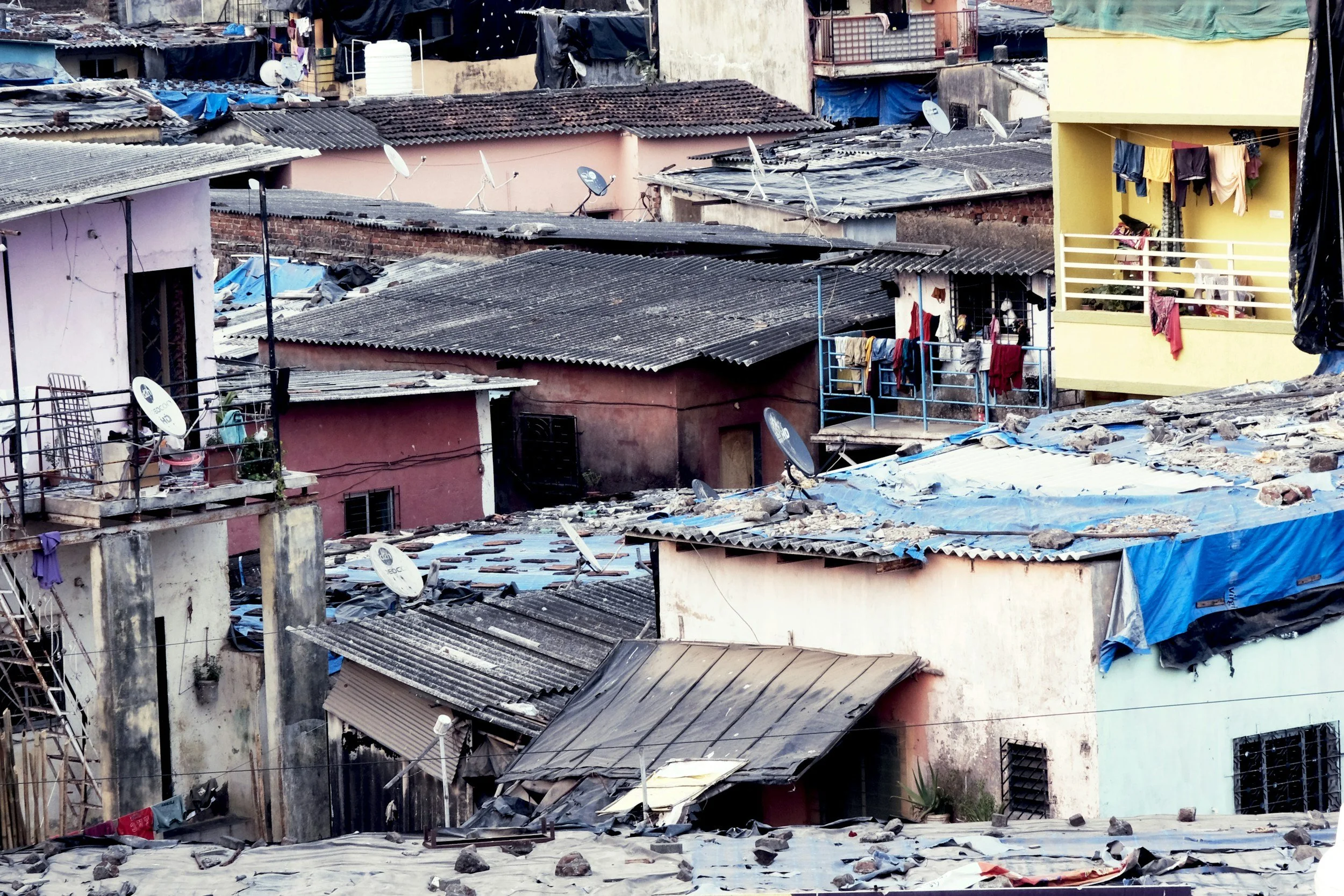
Starting in underserved urban and rural communities. Built to scale.
Common Wellbeing is beginning where children are most likely to be missed.
In underserved urban communities, children may live near health facilities but still face overcrowded clinics, cost barriers, long waits, and limited access to specialist diagnosis.
In rural communities, children may face distance, transport challenges, fewer health workers, weak referral pathways, and limited access to cardiac care.
Different settings. Same danger.
Children are being found too late.
Our model is designed for both realities.
*************************************
*************************************
Our Impact
01
# of children screened for RHD
05
% of patients receiving monthly penicillin treatment
Children found. Children protected.
Screening is only the beginning. The real measure is whether children move through the full pathway — from early detection to confirmed diagnosis, treatment, and long-term follow-up.
Common Wellbeing tracks what matters most: not just how many children are reached, but how many are protected.
02
# of schools screened for RHD
06
% of patients adhering to treatment after 6 months
03
# of confirmed RHD cases identified
07
# of health workers trained in RHD screening and treatment
04
% of diagnosed patients enrolled into treatment
05
# of health facilities providing RHD services
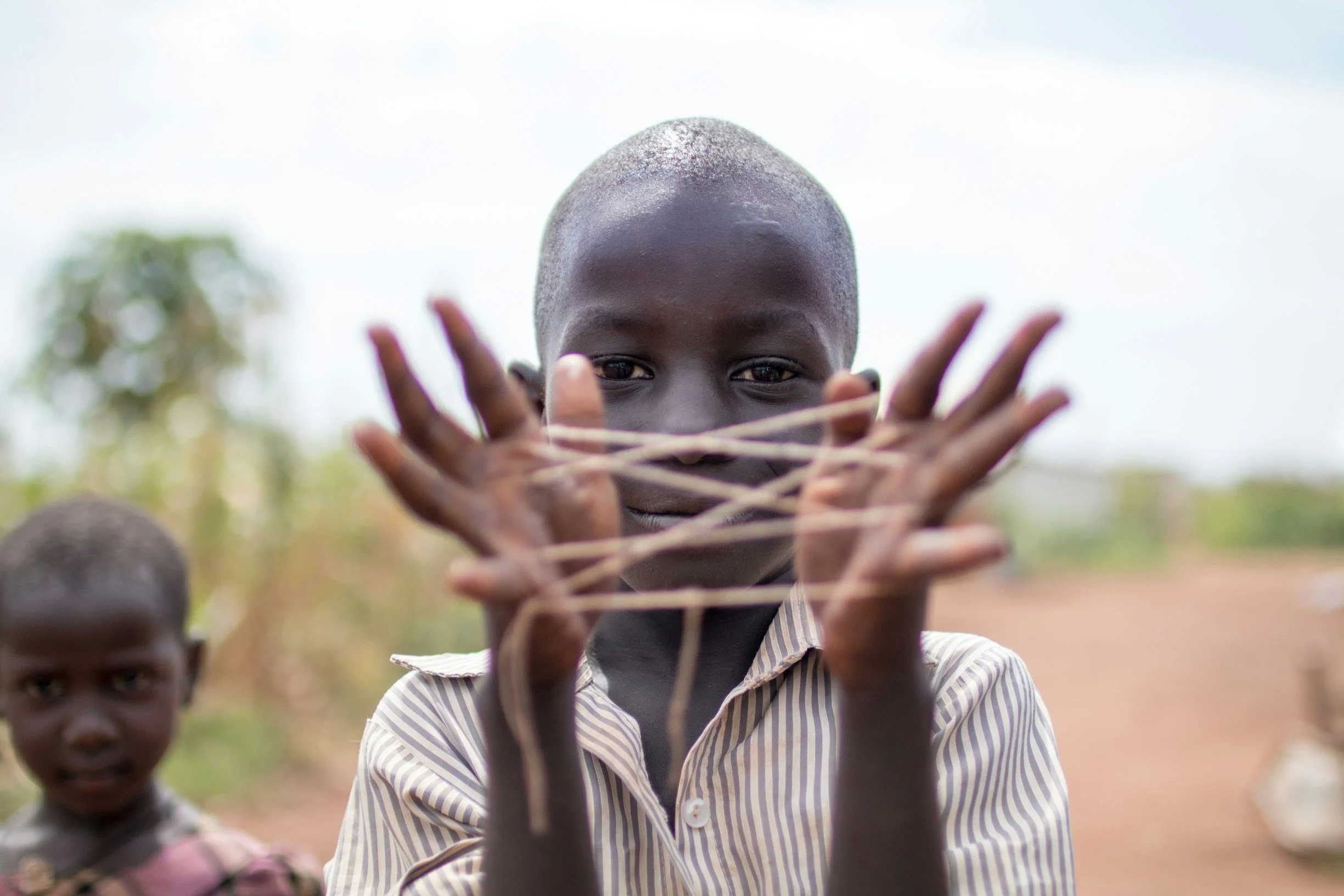
Built with the system, not around it.
Common Wellbeing works through existing schools, clinics, specialists, community health workers, education structures, and public health systems.
We are not creating a parallel system.
We are helping connect the system children already depend on — so a child found in a school or community can move into diagnosis, treatment, and follow-up without falling through the cracks.
We are looking for partners in clinical leadership, government, funding, research, community engagement, equipment, treatment systems, and scale-up planning.
Partner with us to build a serious RHD response in Zambia.
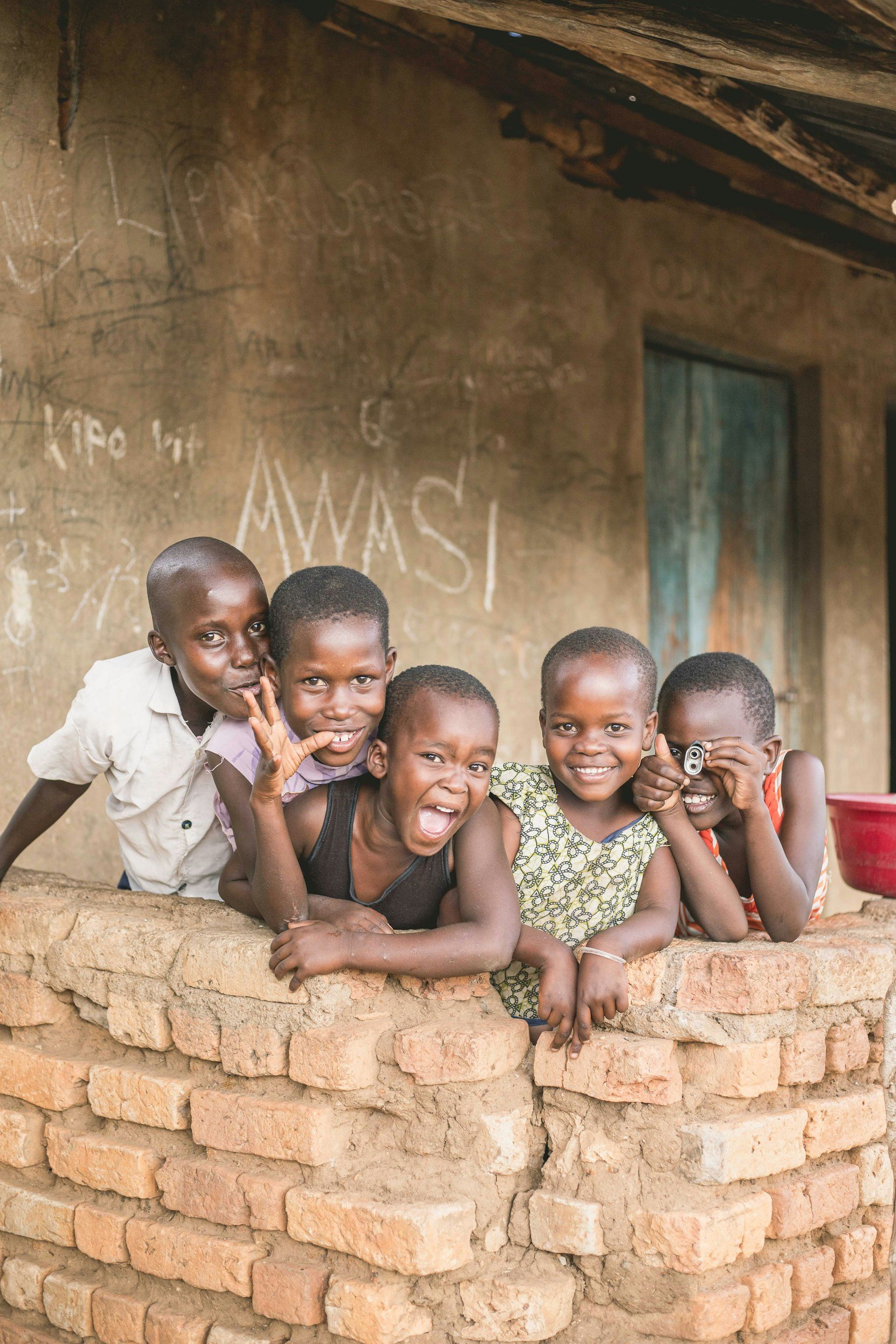
No child should be found only after it is too late.
Rheumatic Heart Disease is preventable.
Early damage can be found.
Treatment can protect children.
Follow-up can keep them safe.
But only if the pathway reaches them.
Common Wellbeing is building that pathway — from schools and communities to confirmed care and long-term protection.
Saving children’s lives starts with finding them early.